
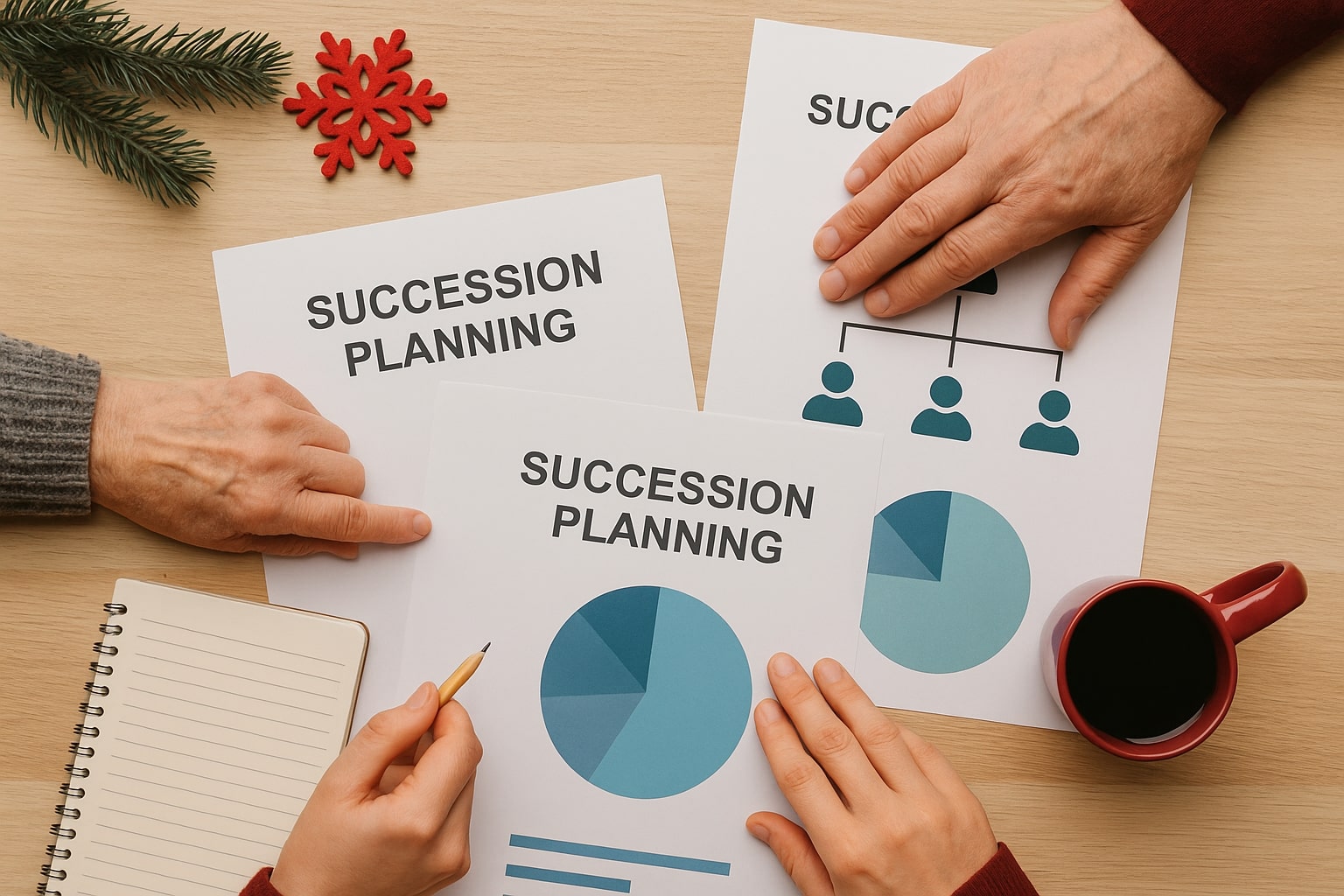
Families often gather during the holidays, creating a unique space to bond and reflect on their shared history. For many professionals managing multi-generational wealth, holiday time represents an important opportunity. The atmosphere is informal but thoughtful, making it easier for family members to discuss topics like family succession and long-term governance. These settings benefit not only wealth holders but also future generations who stand to inherit responsibilities.
Why Holiday Gatherings Suit Family Succession Discussions
Thanksgiving conversations can be ideal for multi-generational wealth planning. Unlike formal boardrooms, family homes foster openness and comfort, breaking down barriers between generations. With everyone present, families avoid logistical scheduling challenges and allow all voices to participate. Professionals recognize that these moments help address emotional aspects of succession alongside logistical details. Face-to-face interactions enhance trust, allowing subtle concerns to be expressed more freely and honestly.
Preparing for Effective Succession Planning Conversations
Coordinating a family succession discussion requires thoughtful preparation. Professionals should consider providing family members with materials in advance. Summaries of the current estate plan, key accounting services details or an outline of trust arrangements help set expectations. Discussion prompts, such as “What values do we want to preserve?” or “How should our Family Office operate?” can structure the dialog. Preparing these resources allows participants to reflect before the meeting and arrive ready to contribute with purpose.
Choosing the Right Topics for Face-to-Face Holiday Talks
Some succession conversations work better in person. Sensitive topics like leadership transition, family governance planning or future roles within the Family Office require open, direct discussions. Face-to-face meetings support families in addressing complex subjects such as ownership structures, coordination between Trusts and Estates, and realignment around shared goals. In-person communication also allows elders to pass on stories that illustrate family values, strengthening multi-generational wealth stewardship.
Facilitating Healthy Family Dynamics During Succession Talks
Holiday gatherings bring together several generations, each with its own perspective. Professionals often recommend appointing a neutral facilitator or Personal CFO to moderate discussions, especially when family dynamics are sensitive. Maintaining a respectful and open environment ensures that younger members feel included and elders feel heard. Developing shared rules for the conversation promotes transparency and prevents miscommunication. This also gives each family member ownership of the process, leading to more enduring agreements.
Family Governance Planning: Building Consensus
Constructing or updating a family governance plan requires meaningful dialog. Thanksgiving conversations offer opportunities to reaffirm foundational principles or set new directions. Families can review accounting services that track household management and evaluate if current processes match expectations. Emphasizing clear reporting lines and roles within the Family Office ensures continuity. Establishing procedures to resolve conflicts or regular times for estate plan follow-up reinforces long-lasting governance structures.
Sustaining Multi-Generational Wealth Through Estate Plan Follow-up
Succession planning is rarely complete after a single conversation. Professionals recommend recording decisions operationally during holiday meetings. Summarizing agreements in writing, updating business structuring documents or scheduling follow-up meetings with estate planners are practical next steps. Regular estate plan follow-up allows families to recognize when life changes—like marriages, births or acquisitions—require adjustments. Coordinated interactions between family members and advisors sustain multi-generational wealth and prevent costly misunderstandings.
Trusts and Estates: Aligning Legal and Operational Realities
Trusts and Estates play a central role in succession planning, especially for families with complex structures and philanthropic goals. After Holiday conversations, families should align operational plans with legal documents. This could involve integrating new business structuring recommendations or updating household management protocols. Professionals stress that seamless collaboration between legal counsels, accountants and Personal CFOs translates ideas into enforceable and practical frameworks that serve all generations.
Recording and Implementing Agreements
Recording decisions operationally during holiday discussions ensures clarity for all parties. Assigning specific action items, such as updating beneficiary designations or clarifying accounting services responsibilities, reinforces accountability. Written summaries or meeting minutes allow absent members to remain informed. Effective documentation supports estate plan follow-up, ensuring no item is overlooked as priorities evolve. When family members see their input reflected in actions, trust in the succession process increases.
Next Steps: Working with Professional Advisors
After productive conversations, families will need to coordinate with professional advisors. Scheduling follow-up meetings with attorneys, accountants, or business structuring experts ensures continuity and timely adjustments to plans. Effective collaborations between Family Office teams, Trusts and Estates professionals, and Household Management providers support bespoke approaches. Professional guidance keeps ambitions on track while respecting family dynamics, allowing multi-generational wealth to flourish through thoughtful governance and open communication.